The Importance of Indoor Air Quality: Why It Matters for Your Health and Home

Indoor air quality (IAQ) plays a crucial role in maintaining a healthy living environment. With most people spending nearly 90% of their time indoors, ensuring the air inside our homes and workplaces is clean and free of pollutants is essential. Poor indoor air quality can lead to various health problems, exacerbate respiratory conditions, and even damage your home. Understanding the importance of IAQ can help you take proactive steps to improve the air you breathe every day.
Health Impacts of Poor Indoor Air Quality
Poor IAQ can significantly affect your health, often in ways that go unnoticed until symptoms become severe. Common indoor air pollutants include dust, mold spores, pet dander, volatile organic compounds (VOCs), and allergens. Exposure to these pollutants can cause:
- Respiratory issues such as coughing, wheezing, and shortness of breath
- Allergies and asthma flare-ups
- Headaches, dizziness, and fatigue
- Long-term complications such as chronic lung disease or cardiovascular problems
Young children, the elderly, and individuals with pre-existing health conditions are especially vulnerable to the effects of poor indoor air quality.
How Indoor Air Quality Affects Your Home
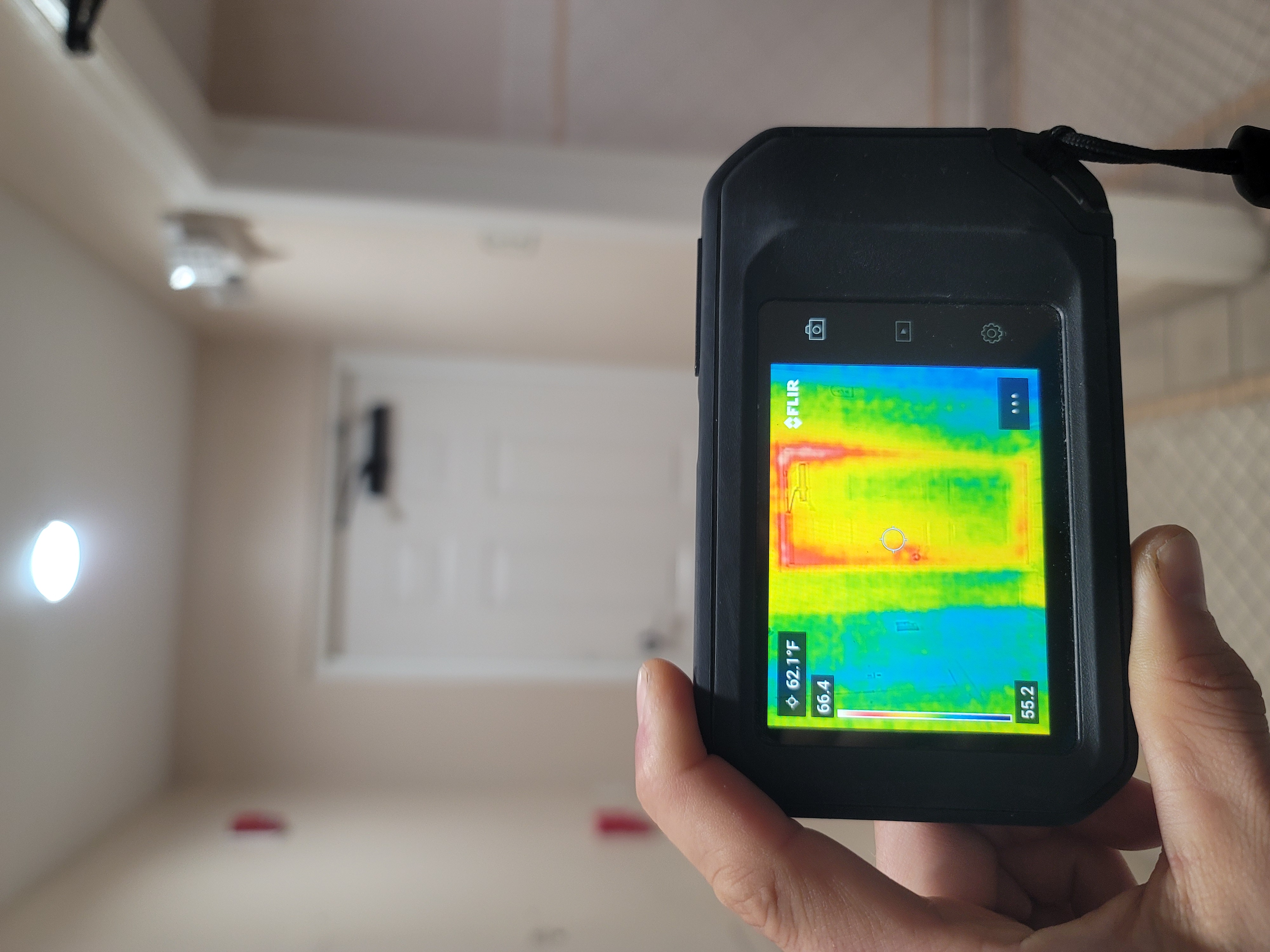
Beyond health concerns, poor IAQ can also impact your home's structure and comfort. Excess humidity and mold growth can damage walls, ceilings, and flooring, leading to costly repairs. Dust accumulation can clog HVAC systems, reducing their efficiency and increasing energy bills. Keeping indoor air clean helps maintain the longevity of your home and prevents costly maintenance issues down the line.
Steps to Improve Indoor Air Quality
Improving IAQ doesn't have to be complicated. Here are some effective strategies to enhance air quality in your home:
- Control Humidity Levels: Keep humidity between 40-60% to prevent mold growth.
- Use Air Purifiers: High-quality air purifiers with HEPA filters can remove airborne contaminants.
- Maintain HVAC Systems: Regularly replace air filters and perform yearly maintenance to keep the air systems functioning efficiently.
- Eliminate Mold and Mildew: Address any water leaks or damp areas promptly to prevent mold growth.
- Choose Low-VOC Products: Choose paints, cleaning supplies, and furniture with low volatile organic compound emissions. Avoid using products with artificial scents.
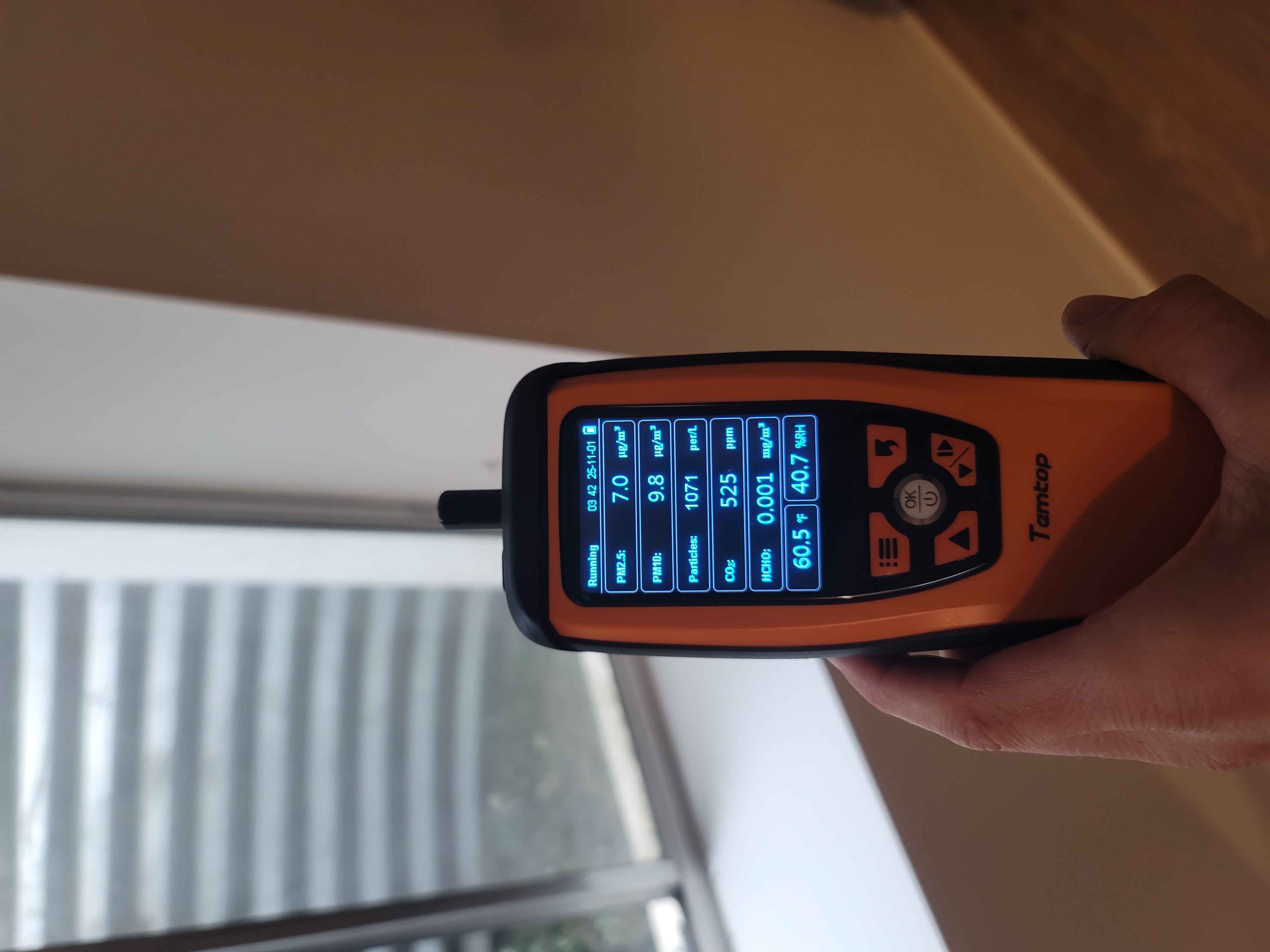
Indoor air quality directly impacts your health, comfort, and the condition of your home. Taking steps to monitor and improve IAQ can lead to a healthier, more comfortable living space while also preventing long-term health risks. At Clean Air Miami, we specialize in mold detection and helping homeowners maintain safe, breathable air. If you're concerned about your indoor air quality, contact us today for professional guidance and solutions.