Mold Growth: Causes, Prevention, and Remediation
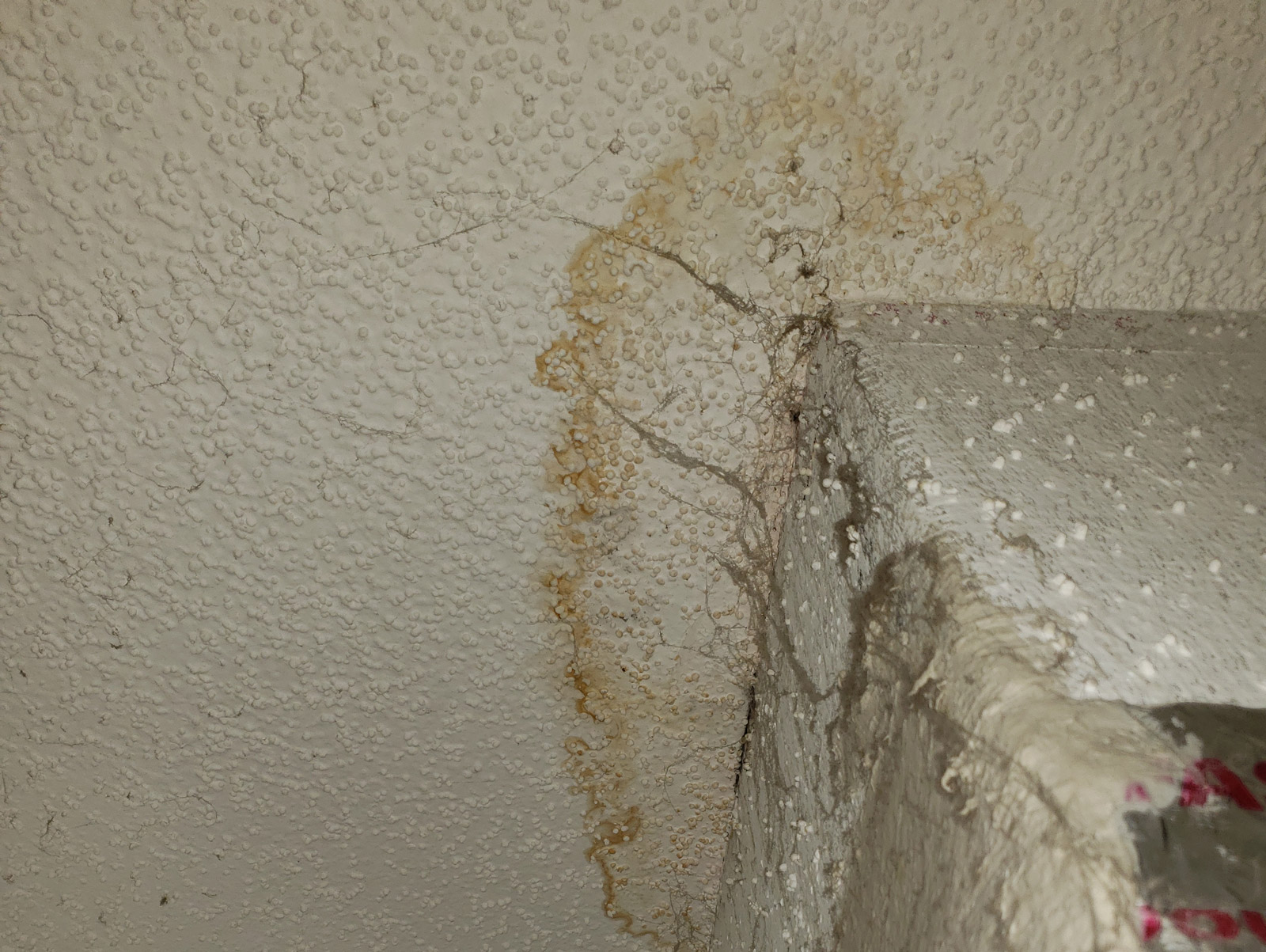
Understanding Mold Growth
Mold is a common household issue that thrives in damp, humid environments. It can spread quickly and cause structural damage, health concerns, and unpleasant odors. Understanding how mold develops and taking preventive steps can help keep your home safe and healthy.
Common Causes of Mold Growth
Mold spores are naturally present in the air, but they require the right conditions to grow and multiply. The primary factors contributing to mold growth include:
- Moisture: Leaks, flooding, or high humidity create ideal conditions for mold.
- Poor Ventilation: Inadequate airflow traps moisture, allowing mold to thrive.
- Condensation: Temperature differences cause moisture buildup on surfaces like windows and walls.
- Organic Materials: Mold feeds on wood, drywall, fabric, and other organic materials.
- Neglected Water Damage: Unaddressed leaks or past flooding can lead to hidden mold growth.
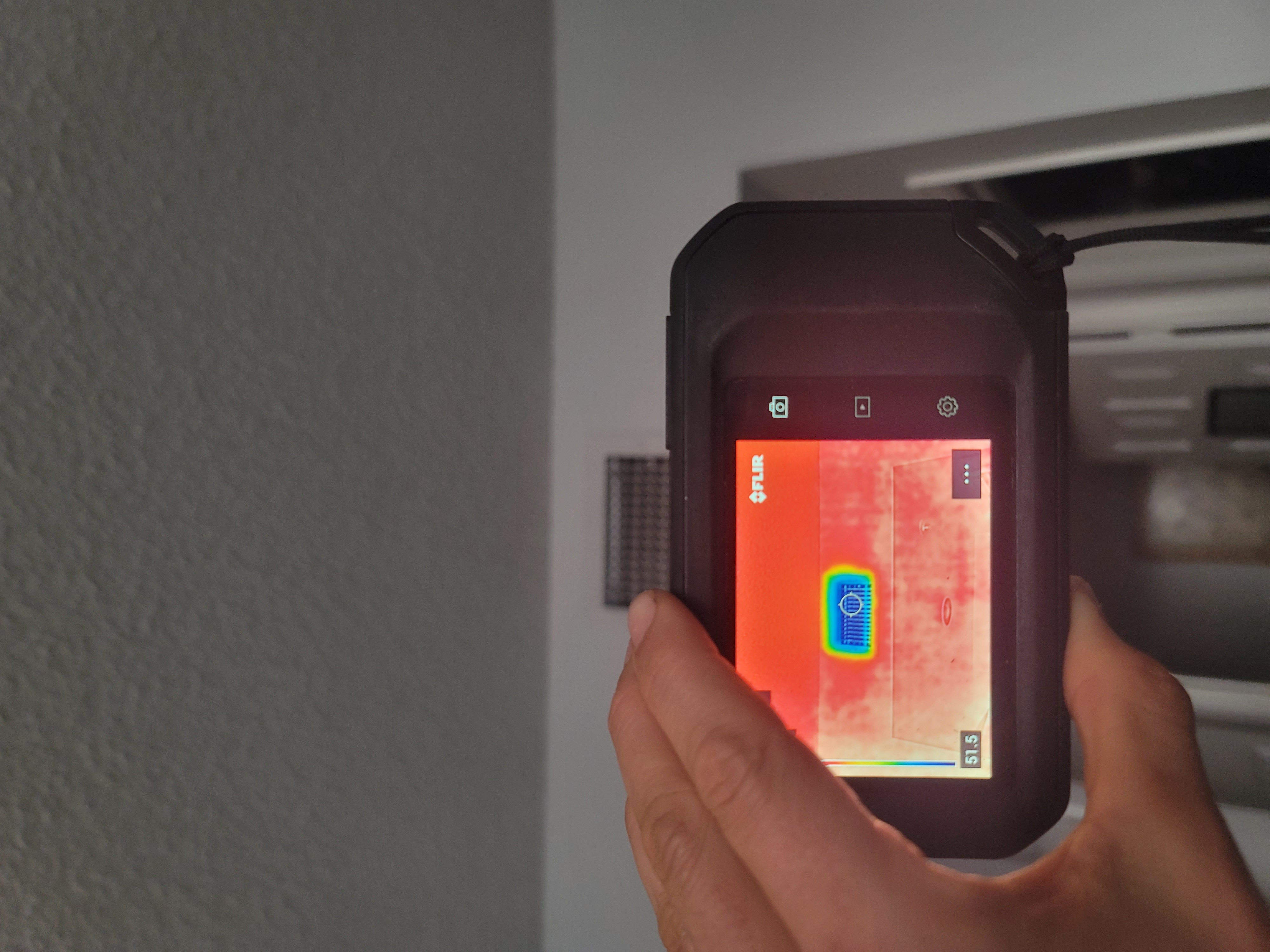
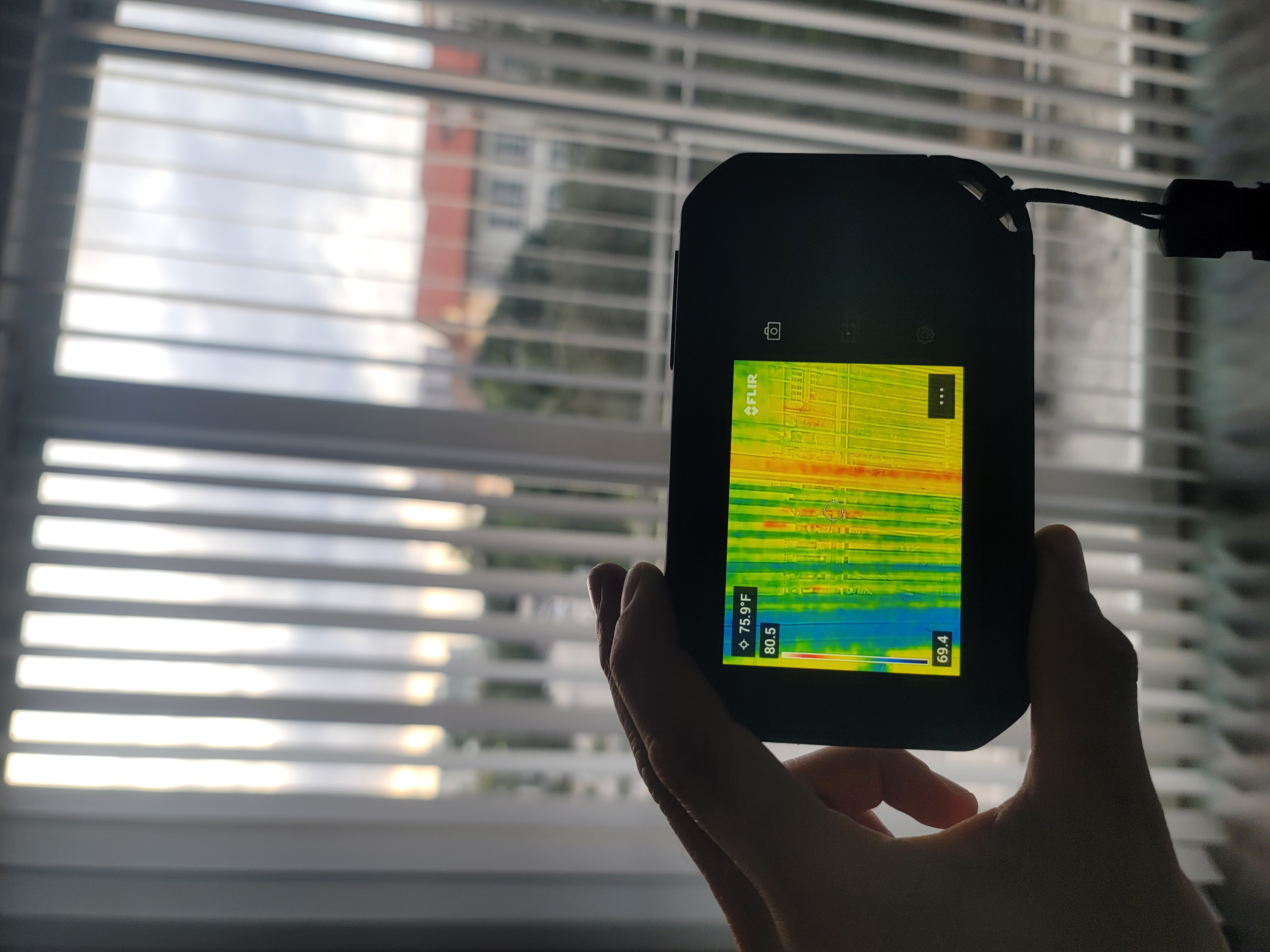
How to Prevent Mold Growth
Preventing mold is easier than removing it once it has spread. Here are some key steps to reduce the risk of mold in your home:
- Control Humidity: Maintain indoor humidity levels between 40-60% using dehumidifiers and air conditioners.
- Improve Ventilation: Ensure proper airflow in kitchens, bathrooms, and basements.
- Fix Leaks Promptly: Regularly inspect and repair plumbing, roof, and foundation leaks.
- Use Mold-Resistant Materials: Opt for mold-resistant drywall and paints in moisture-prone areas.
- Keep Surfaces Dry: Wipe down wet surfaces and ensure carpets, curtains, and upholstery are dry.
- Clean Regularly: Use anti-microbial cleaners in high-risk areas like bathrooms and kitchens.
Mold Remediation: What to Do If You Have Mold
If mold is already present, it's essential to act quickly to prevent further spread. Mold remediation involves:
- Assessment and Inspection: Identify the source of moisture and the extent of mold growth.
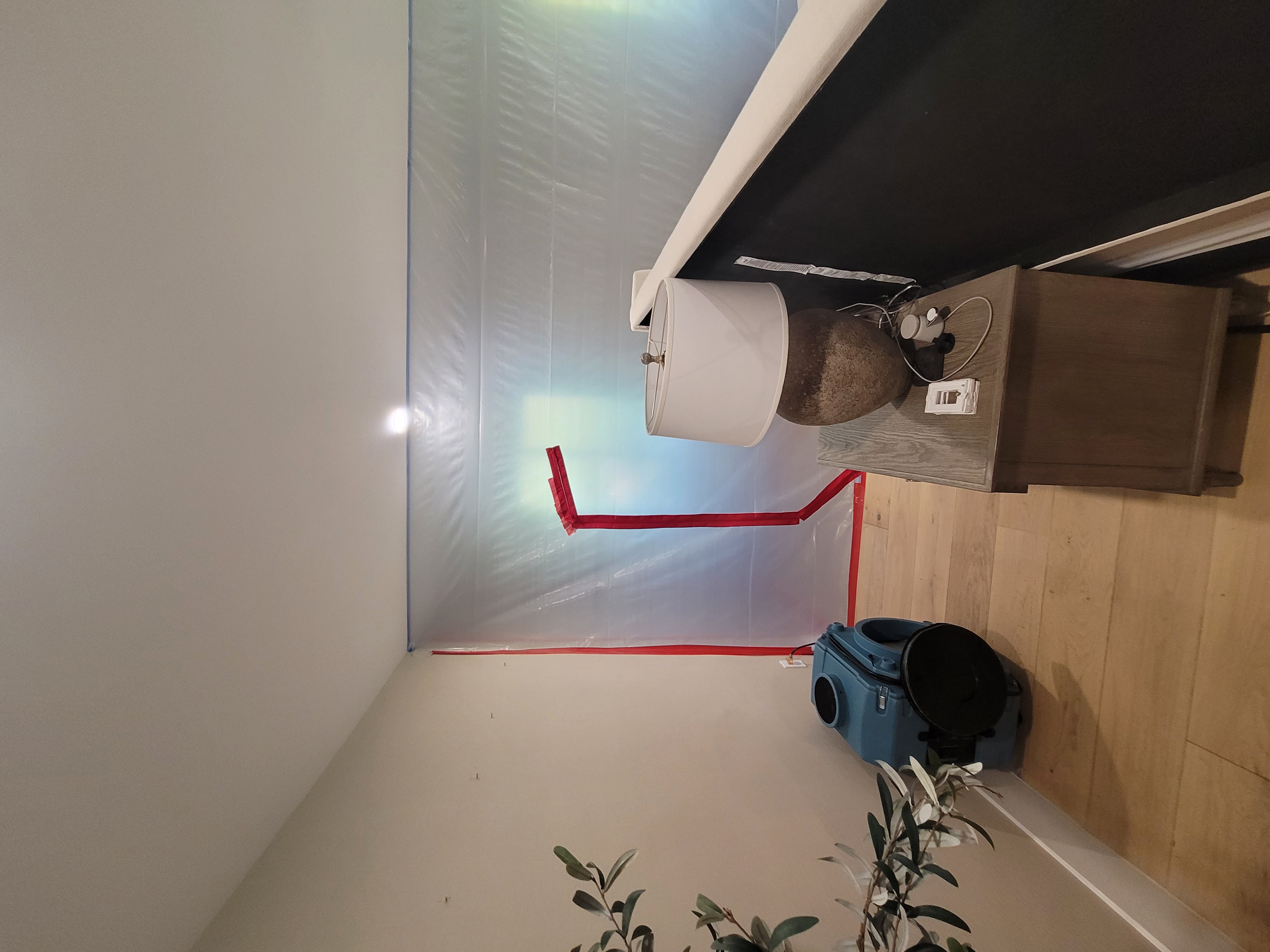
- Containment: Prevent mold spores from spreading by sealing off affected areas.
- Air Filtration: Use HEPA filters and air scrubbers to remove airborne spores.
- Mold Removal: Remove contaminated materials such as drywall, carpeting, and insulation if necessary.
- Cleaning and Disinfection: Use professional-grade cleaning agents to eliminate mold from surfaces.
- Restoration: Repair or replace damaged materials to restore your home to a safe condition.
When to Call a Professional
While small mold patches that aren't actively growing can sometimes be cleaned with household solutions, however mold growth requires professional guidance. Contact us, especially if:
- The mold covers a large area (more than 10 square feet).
- There is a strong musty odor or visible mold in multiple areas.
- You or your family experience persistent allergies or respiratory issues.
- The mold is in HVAC systems or hard-to-reach areas like crawl spaces.
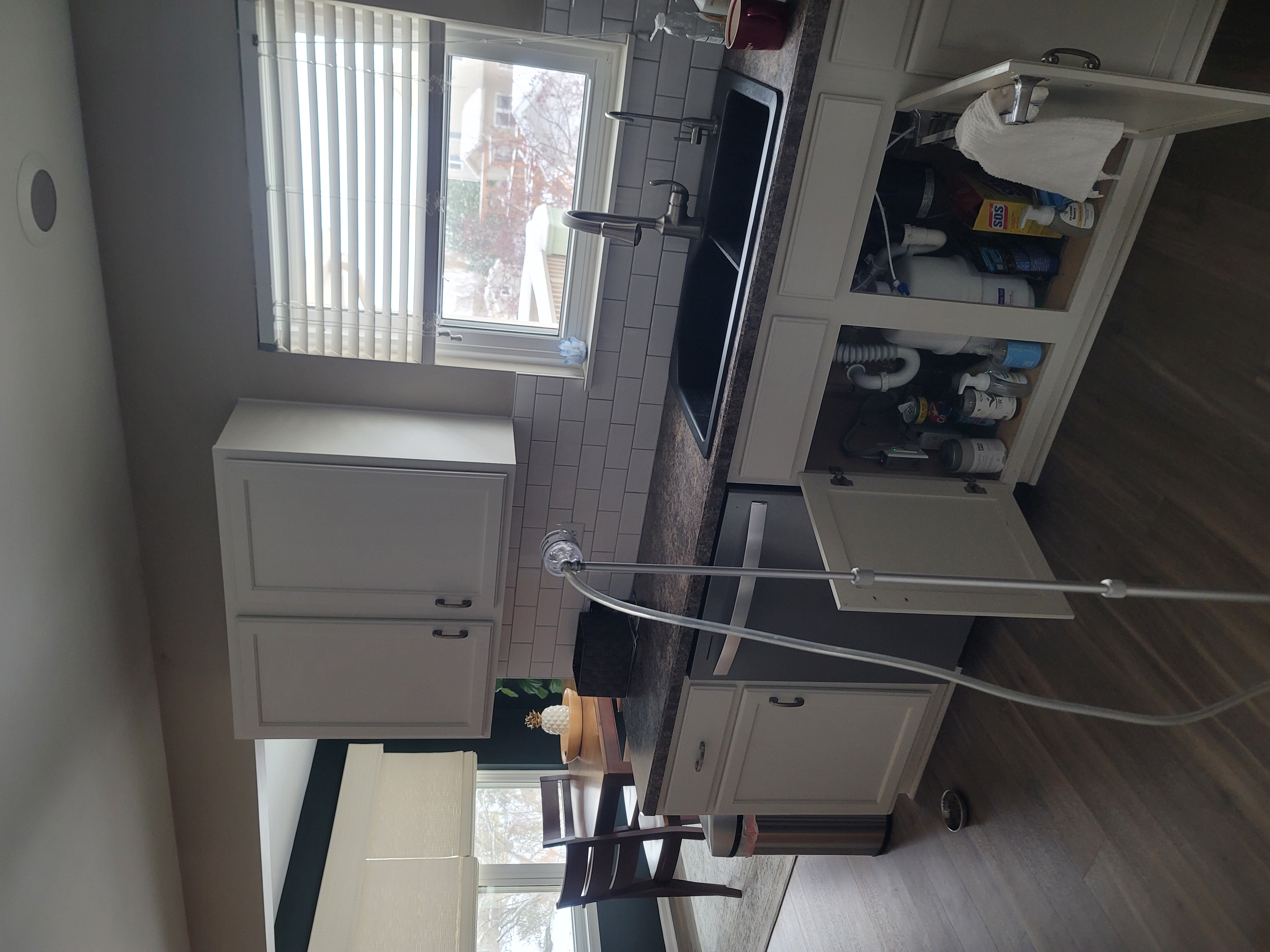
Trust Clean Air Miami for Mold Detection
At Clean Air Miami, we specialize in mold detection to ensure your indoor air quality remains safe. Our expert team provides comprehensive mold assessments and advise on safe removal and long-term prevention strategies.
If you're dealing with mold issues, contact us today for a professional inspection and customized remediation plan.