Is Your Home Making Your Dog Sick?
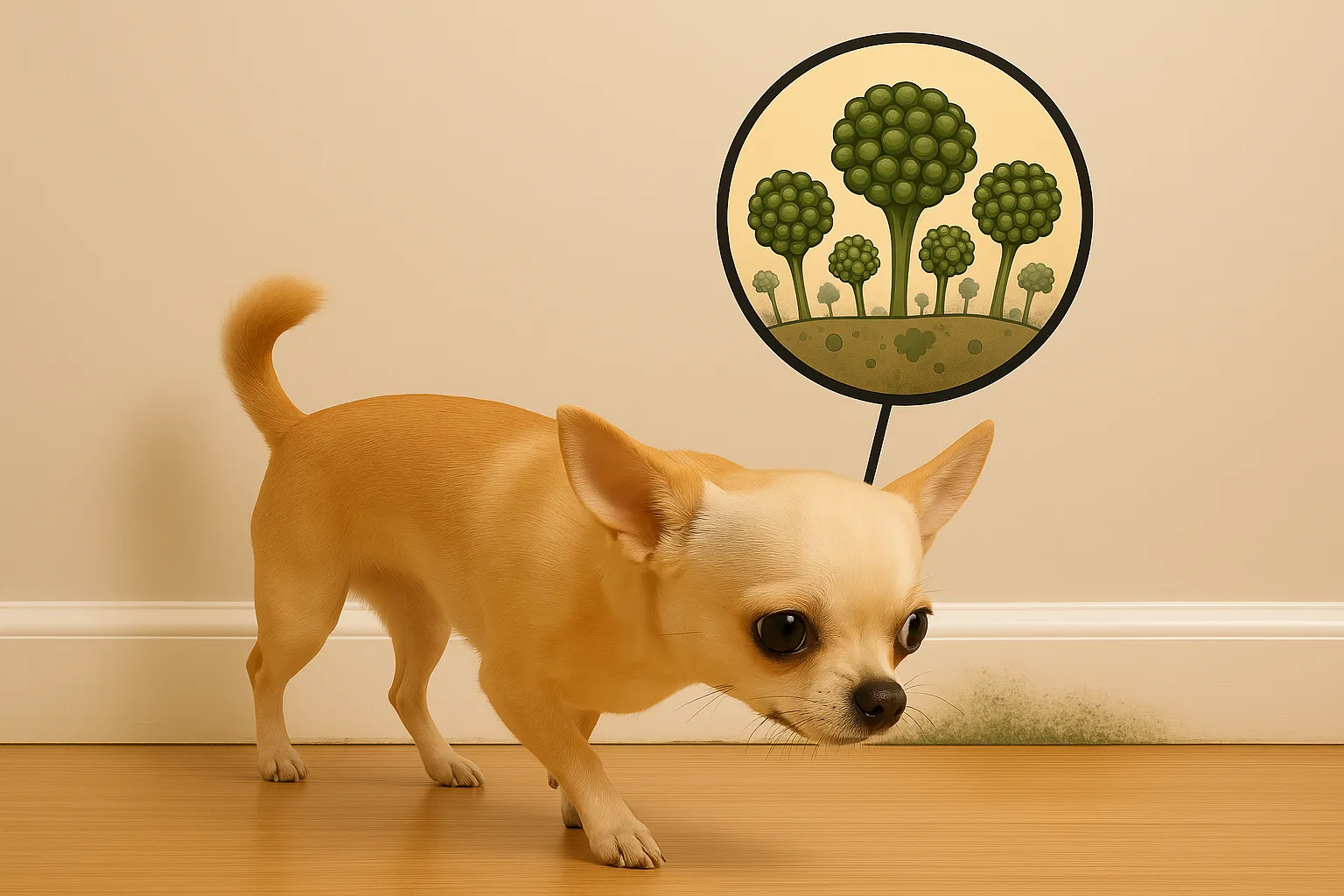
Is Your Home Making Your Dog Sick? Mold and Air Quality Issues in South Florida Homes
Recently, a concerned pet owner in Miami-Dade County reached out to Clean Air Miami. She noticed that her 19-year-old chihuahua had started coughing—only when it entered the home. Outside of the home, the dog was fine. She wasn't calling for herself, she was calling for her dog.
At Clean Air Miami, we work with families and pet owners across South Florida—from Port St. Lucie to the Florida Keys—who are dealing with air quality concerns. And sometimes, it's our pets who alert us first that something in our home's air isn't right.
Why Your Dog Might React to Your Home's Air
Just like people, dogs can suffer from poor indoor air quality. But in many ways, they're more vulnerable:
- They breathe faster, taking in more air—and airborne pollutants—per minute.
- They live closer to the ground, where contaminants settle.
- They can't communicate discomfort—they just start coughing, scratching, or slowing down.
Common Symptoms in Dogs Exposed to Indoor Pollutants:
- Persistent coughing or sneezing
- Nasal discharge
- Excessive licking, biting, or scratching
- Skin rashes or fur loss
- Lethargy or behavioral changes
The Mold Connection: A Hidden Danger in South Florida Homes
In warm, humid regions like ours, mold is one of the most common and serious threats to indoor air—and to your pet's health.
Mold grows in damp spaces—behind drywall, under flooring, inside HVAC systems—and releases microscopic spores into the air. These spores can be inhaled by your dog and cause a range of health issues, particularly in older pets or those with weakened immune systems.
How Mold Affects Dogs:
- Chronic coughing and wheezing
- Allergic skin reactions
- Nasal fungal infections (e.g. from Aspergillus)
- Neurological symptoms in rare but severe cases
Studies show mold exposure can cause immune and neurological responses in mammals, affecting both behavior and physical health.
Dogs' bodies are not designed to filter toxins the way human bodies are—and their natural behaviors (sniffing, burrowing, lying low to the ground) increase exposure.
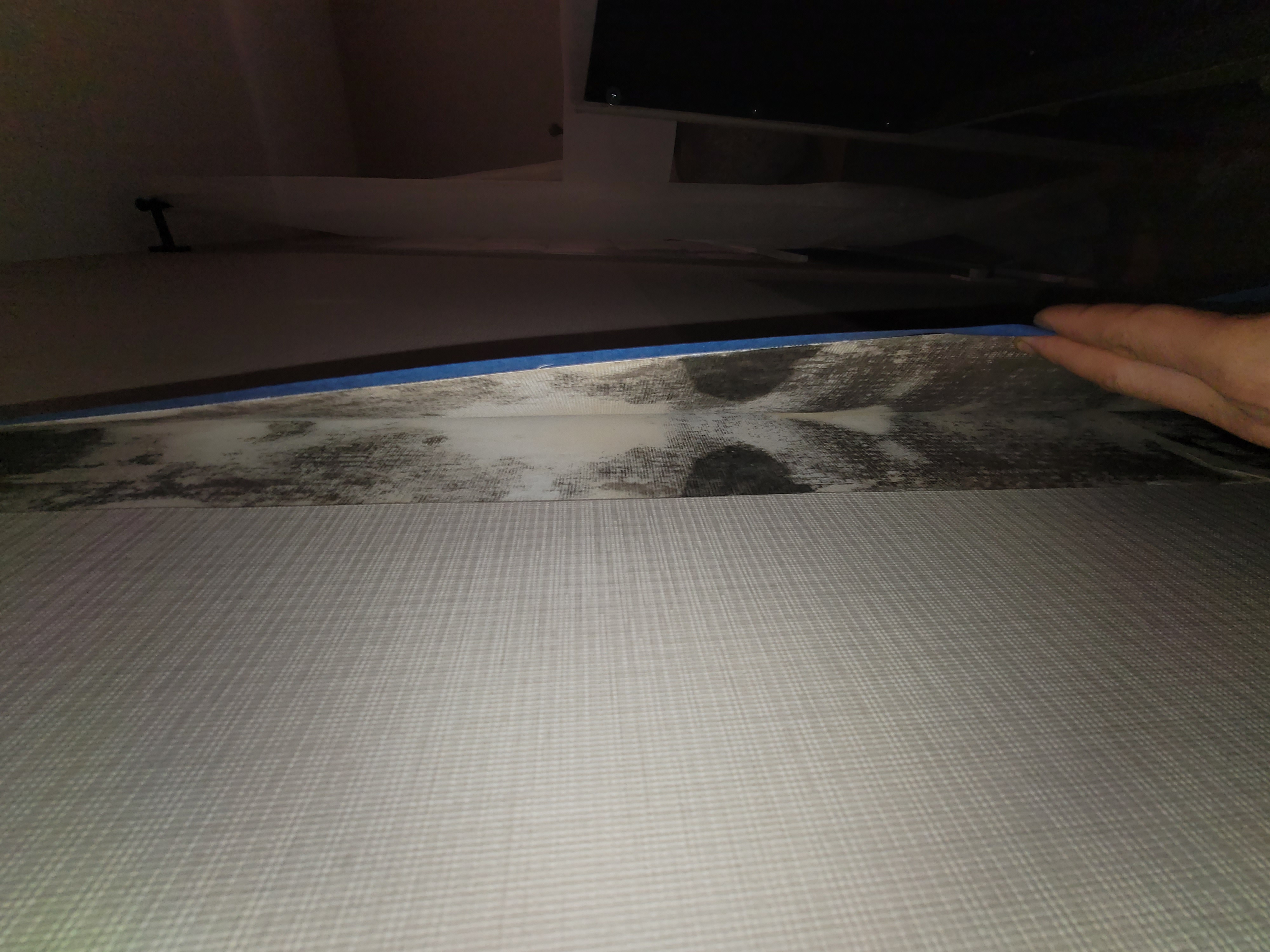
Signs You May Have Mold in Your Home
Even if you can't see visible mold, the air in your home might still be contaminated. Watch for:
- A musty or earthy smell, especially in AC closets, under sinks, or in corners
- Water stains, old leaks, or previous flood damage
- Condensation around vents, windows, or baseboards
- Coughing or respiratory symptoms in you or your pets
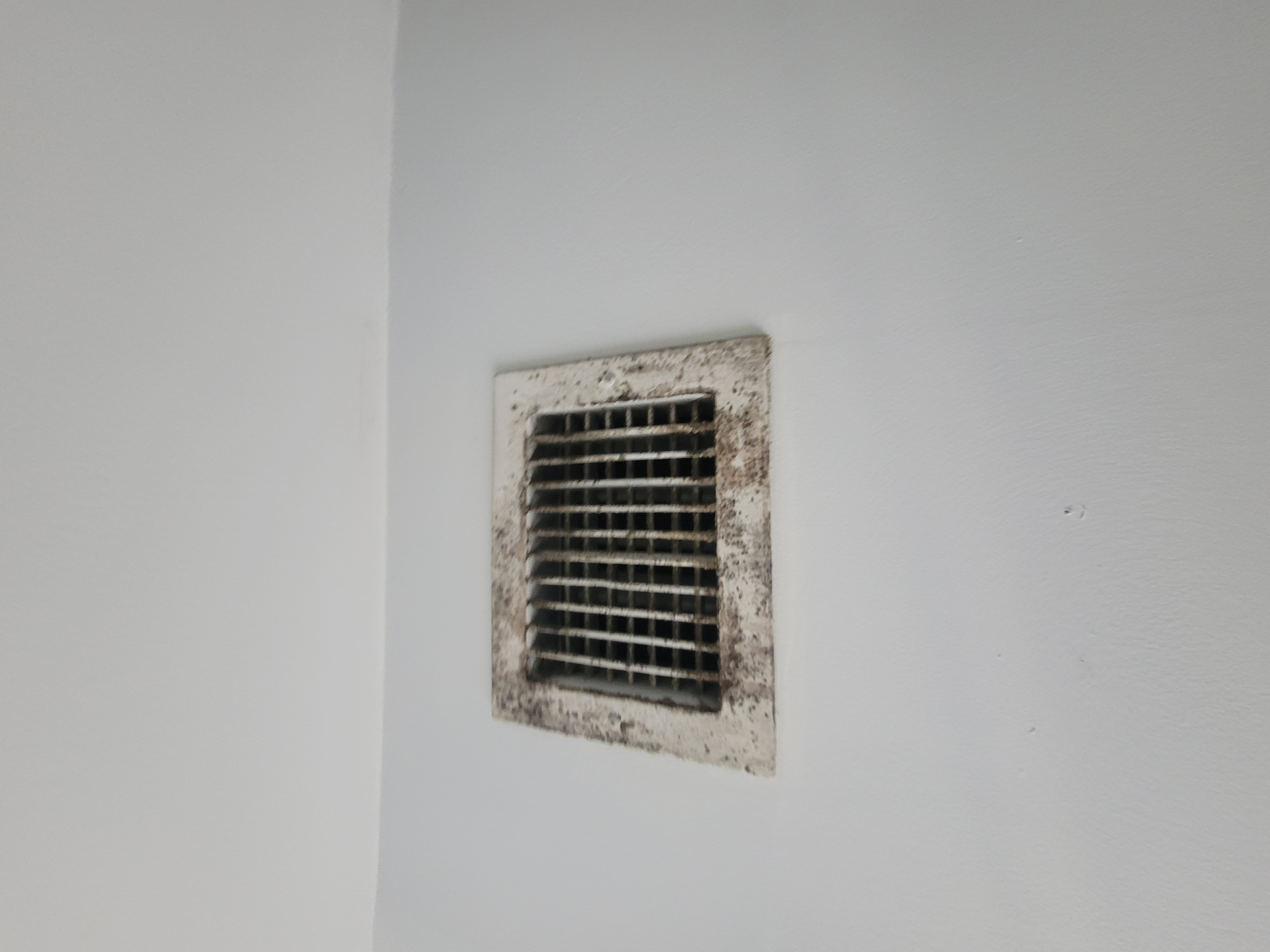
What Pet Owners Can Do
If you're worried your dog's health is being affected by your home's air, here are steps you can take:
Schedule a Professional Air Quality Assessment
Contact Clean Air Miami for a comprehensive mold and air quality inspection.
Fix Moisture Problems Quickly
Leaks, poor ventilation, and high humidity create mold-friendly conditions.
Clean Pet Areas Frequently
Wash bedding and toys, and vacuum with a HEPA filter to reduce allergen buildup.
Have Your HVAC System Inspected and Sealed
Air ducts are common mold breeding grounds, especially in Florida homes. Ask us about Aeroseal duct sealing, one of the most effective ways to improve air quality.
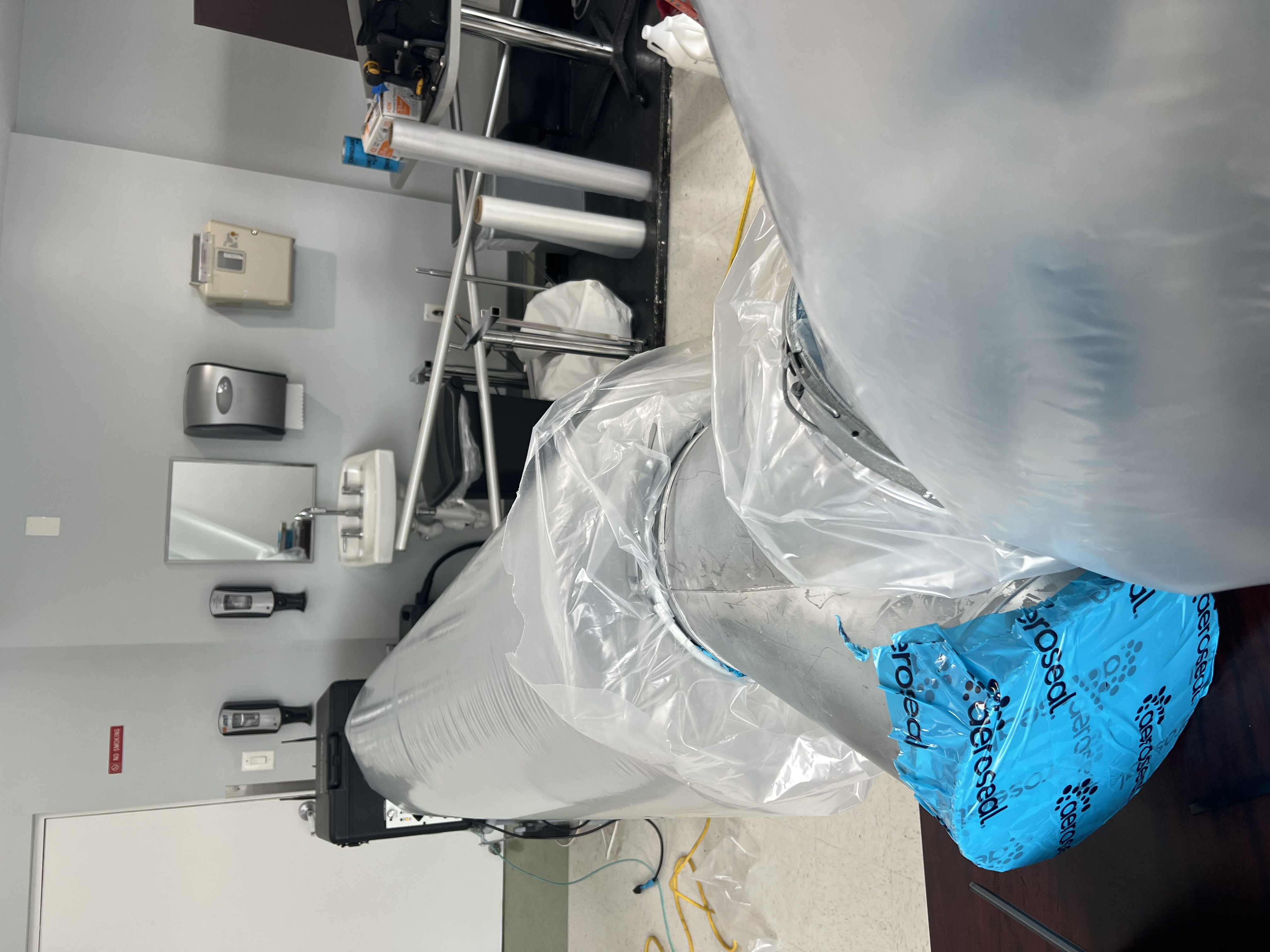
Serving South Florida's Pet-Loving Homes
If you're located anywhere in South Florida—from Port St. Lucie to Fort Lauderdale, Miami, or the Florida Keys—and your dog is coughing indoors, don't ignore the signs.
At Clean Air Miami, we specialize in indoor air quality and mold testing, with a focus on health-first assessments that protect both families and their pets. Whether it's a chihuahua in Coconut Grove or a golden retriever in Key Largo, we're here to help your furry friend breathe easier.
Call today or book an air quality inspection and let's find out what's really in the air your pet is breathing.