Common Signs of Poor Indoor Air Quality and How to Fix Them
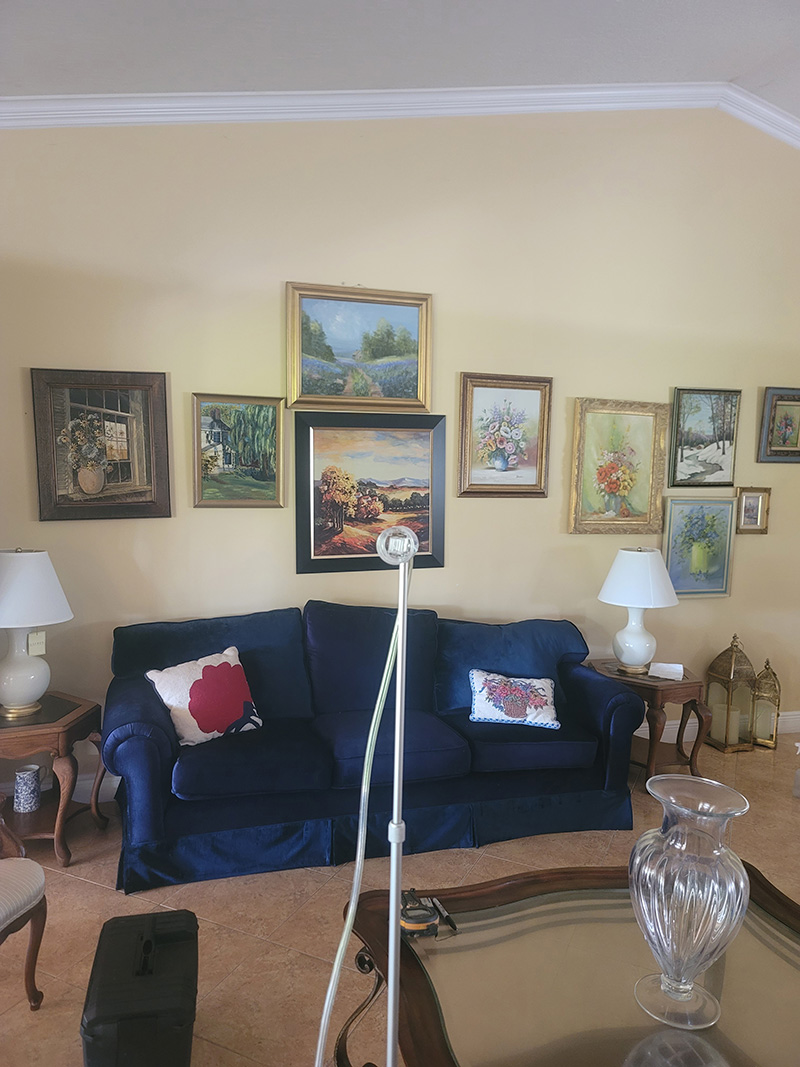
Understanding Indoor Air Quality (IAQ)
Indoor air quality (IAQ) plays a crucial role in maintaining a healthy and comfortable living environment. Poor IAQ can lead to respiratory problems, allergies, and even long-term health concerns. Recognizing the signs of poor air quality and taking steps to improve it can make a significant difference in your overall well-being.
Common Signs of Poor Indoor Air Quality
If your home or workplace has poor IAQ, you may notice one or more of the following warning signs:
- Persistent Allergies or Respiratory Issues
- Frequent coughing, sneezing, congestion, and eye irritation could indicate airborne allergens like dust, mold spores, and pet dander.
- Unpleasant or Musty Odors
- Persistent odors, especially musty smells, could be a sign of mold growth, bacterial buildup, or excessive humidity.
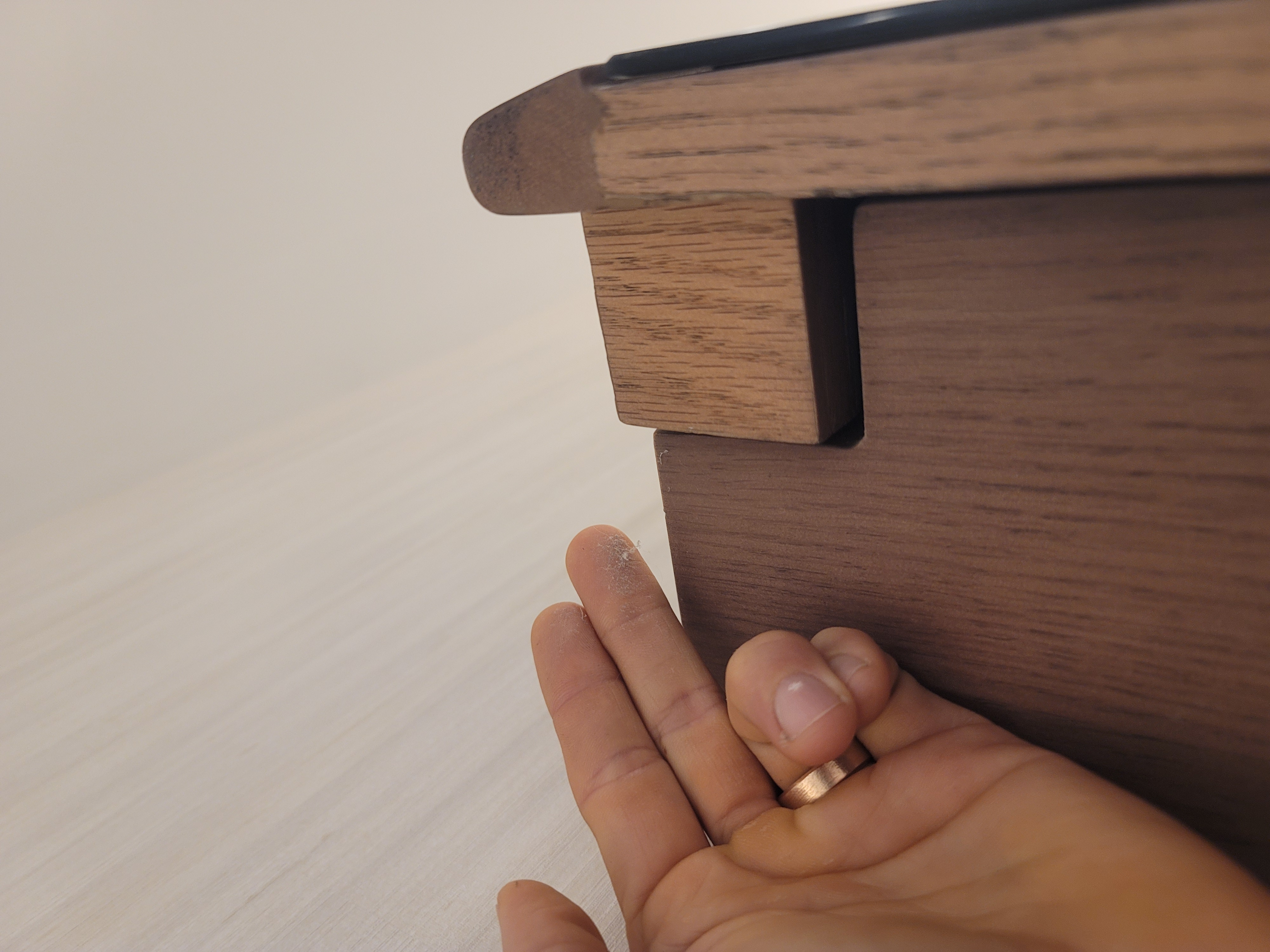
- Excessive Dust Accumulation
- If dust builds up quickly on furniture, vents, and surfaces, your air filtration system may not be working effectively.
- Humidity Problems (Too High or Too Low)
- High humidity promotes mold growth and dust mites, while low humidity can cause dry skin, irritated sinuses, and static electricity.
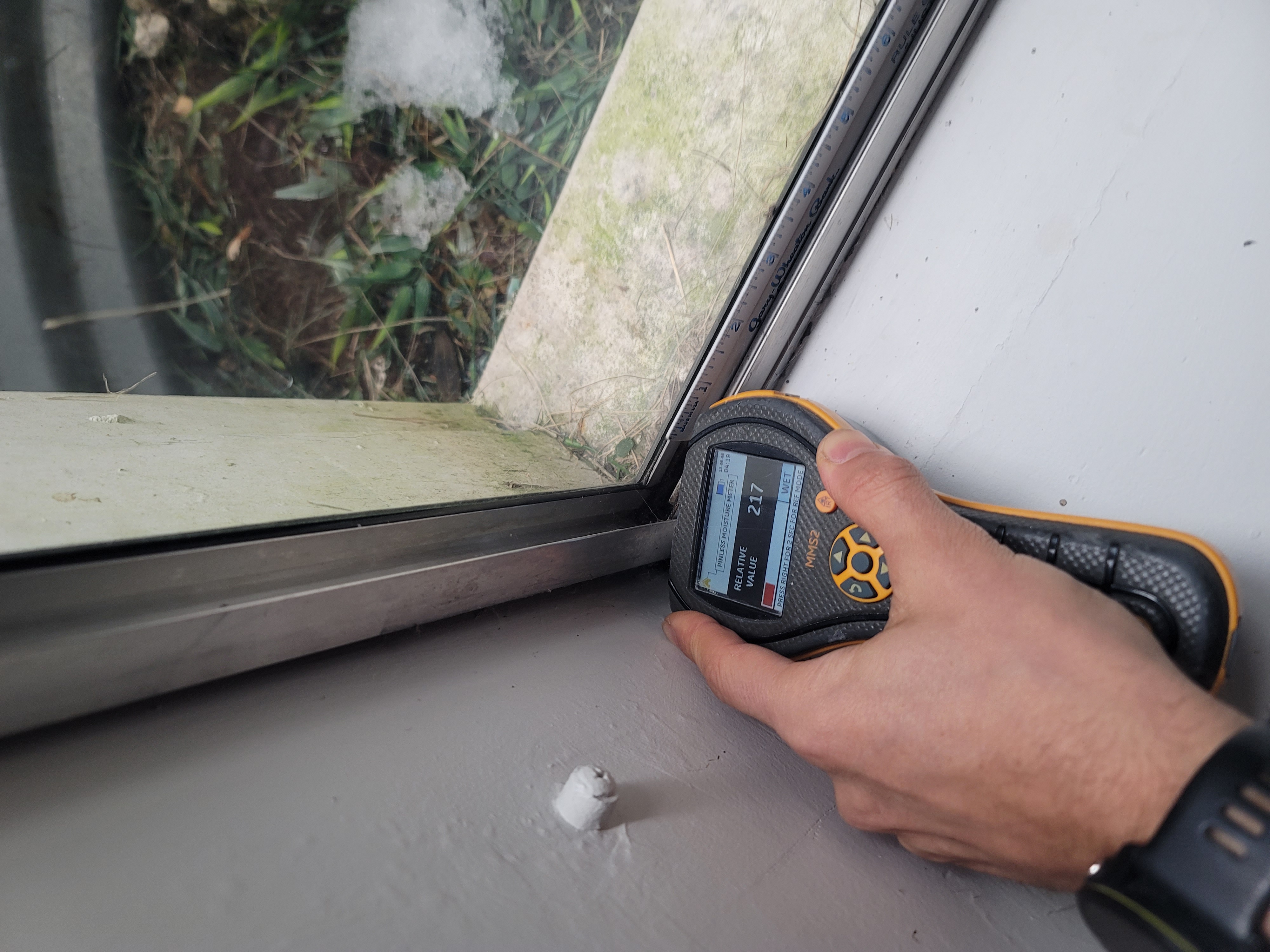
- Mold Growth or Water Damage
- Visible mold, damp spots on walls, or peeling wallpaper indicate moisture problems that can worsen IAQ.
- Frequent Headaches or Fatigue
- Poor air circulation and pollutants like carbon monoxide and VOCs can lead to headaches, dizziness, and fatigue.
- Inconsistent Airflow or Stuffy Air
- If some rooms feel stuffy while others are well-ventilated, your HVAC system may be unevenly distributing air.
How to Fix Poor Indoor Air Quality
Improving IAQ doesn't have to be complicated. Here are some practical solutions to enhance the air quality in your home or office:
1. Increase Ventilation
- Open windows and doors when possible to allow fresh air circulation.
- Use exhaust fans in kitchens and bathrooms to remove humidity and pollutants.
2. Control Humidity Levels
- Maintain indoor humidity between 30-50% using dehumidifiers and humidifiers.
- Repair any leaks or water damage to prevent mold growth.
3. Use High-Quality Air Filters
- Replace HVAC filters regularly and opt for HEPA filters to capture smaller airborne particles.
- Consider an air purifier to remove allergens, dust, and bacteria.
4. Eliminate Pollutant Sources
- Avoid smoking indoors and limit the use of chemical-heavy cleaning products.
- Use low-VOC paints and household items to reduce toxic emissions.
5. Clean Regularly
- Vacuum with a HEPA-filtered vacuum cleaner to remove dust and allergens.
- Dust surfaces frequently and wash bedding and curtains to reduce airborne particles.
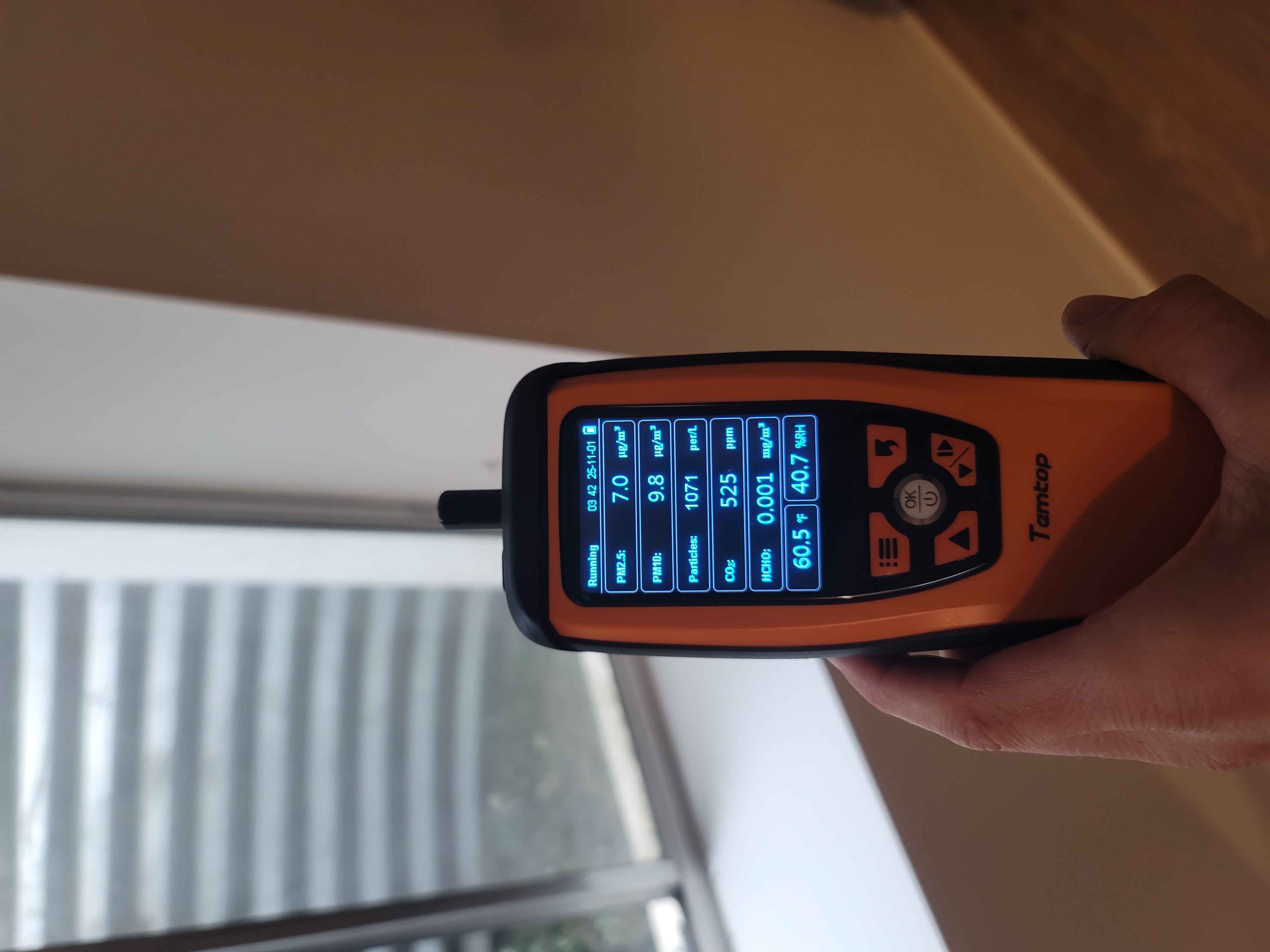
6. Schedule Professional IAQ Testing
- If you're unsure about your air quality, professional testing can identify pollutants and provide targeted solutions.
Trust Clean Air Miami for IAQ Solutions
At Clean Air Miami, we specialize in indoor air quality assessments and creating indoor air quality solutions to help you breathe cleaner air. If you're experiencing signs of poor IAQ, contact us today for a professional evaluation and customized recommendations.